
Caleb Stroud, Firewood & handling writer
My guides cover everything around the cylinder: how a round gets onto the beam, how the machine gets to the woodpile, and what you do with a cord of split wood afterwards. Buyers think about those parts least, and owner reviews complain about them most.
A lot of my time goes into the dull pages of the manual. Beam height in horizontal and in vertical position. Hitch ball size, and whether road towing is allowed at all, and at what speed. Tire size, whether the stand folds, what the thing weighs empty. I line those numbers up across models, because the listings rarely put them in the same place.
Then come the reviews. I look for the stories that repeat: a vertical mode nobody uses because the lever sits too low, a towing tongue that bent on a gravel drive, a splitter too heavy for one person to roll off a trailer.
I don't haul these machines around for the site, and I won't pretend otherwise. I read carefully, compare honestly and tell you what to measure in your own yard before you order.
Areas of expertise
- Horizontal vs vertical handling
- Towing, hitches and wheels
- Beam height and log length
- Seasoning and stacking split wood
How I work
- I check beam height and log length in the manual before I write a word about comfort.
- For towable models I look up the hitch, the tire size and any road-towing limit the manual states.
- In owner reviews I note every handling complaint: lifting, steering, folding, flat tires.
- If the manual doesn't give a number, I write that it doesn't and leave the guessing out.
Articles by Caleb Stroud
Written
 Firewood equipment planning
Horizontal vs Vertical Log Splitters: Handling First
Horizontal vs Vertical Log Splitters: Handling First. Lift the round or roll it: how the beam position changes your back and your pace.
Read the guide Firewood equipment planning
Towable Log Splitters: Check More Than the Hitch
Towable Log Splitters: Check More Than the Hitch. Ball size, tires, road rules and the freight truck: the checks before it moves.
Read the guide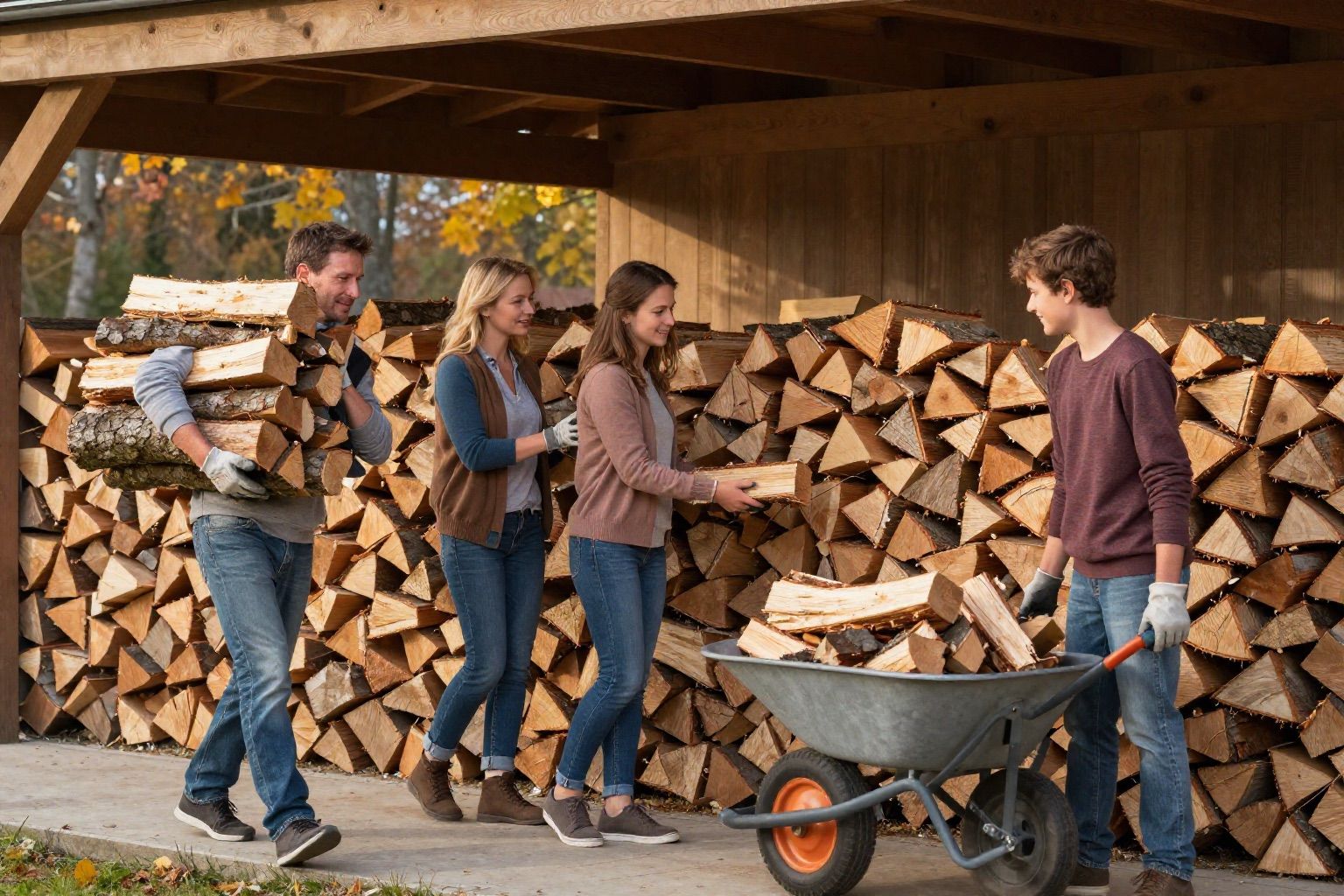 Firewood equipment planning
Seasoning Firewood After Splitting: Plan the Storage
Seasoning Firewood After Splitting: Plan the Storage. Racks, airflow and patience: how split wood gets from wet to ready to burn.
Read the guideEdited
 Firewood equipment planning
Gas vs Electric Log Splitters: The Practical Differences
Gas vs Electric Log Splitters: The Practical Differences. Outlet or gas can, garage or woodlot: what each drive changes on a real Saturday.
Read the guide Firewood equipment planning
Log Splitter Tonnage: Read the Number in Context
Log Splitter Tonnage: Read the Number in Context. What the ton rating means, what it leaves out, and how to size it to your rounds.
Read the guideHow we score and rank the splitters is laid out on How we rate. The rest of the team is on Our editors.