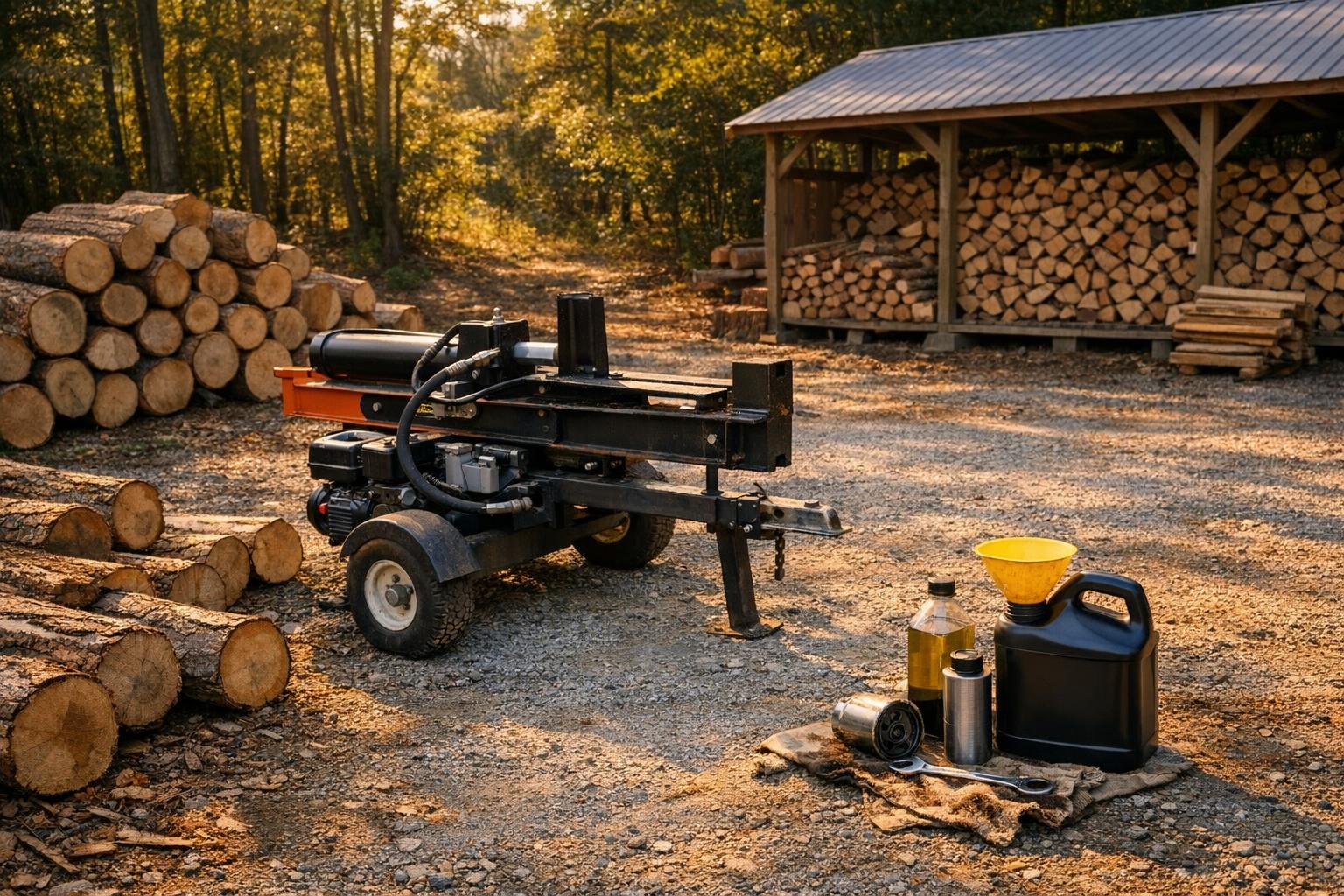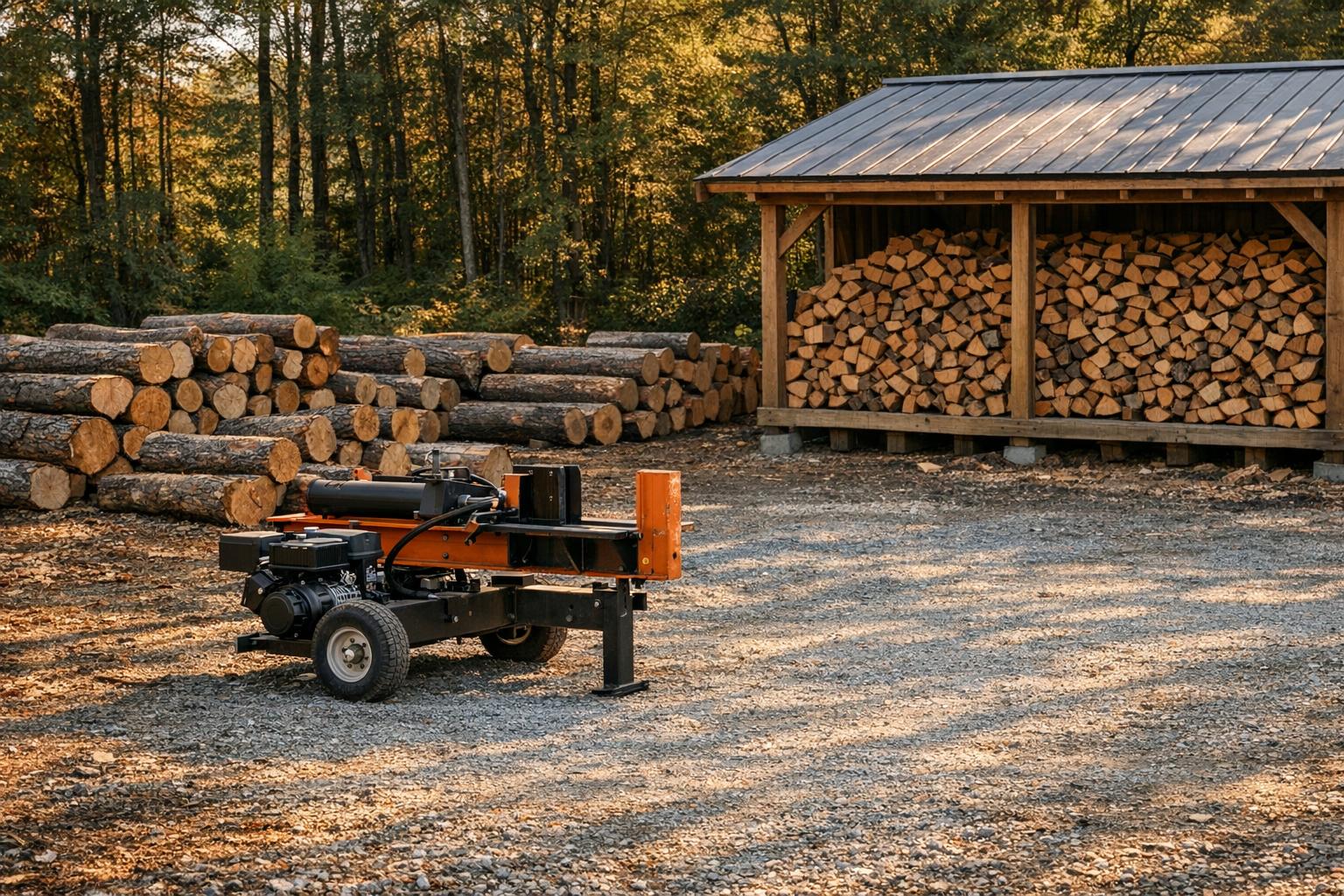
Use this guide to organize a model-specific buying decision. Our research uses published equipment information, not physical testing.
A comparison page is not an operating manual
Log splitters combine force, moving mechanisms and heavy wood. A buying guide cannot replace the manufacturer's operating instructions for the exact machine. The first useful safety step in research is therefore to obtain the correct manual before purchase, not after the equipment arrives. Match the model identifier and configuration rather than relying on a familiar brand or a similar-looking frame. The SuperHandy listing below identifies a complete twenty-ton hydraulic machine, but the listing title alone does not specify every operating requirement. Read the manual's warnings, intended use, inspection requirements and service instructions. If the seller links a document for another model, ask for the correct one. A document that cannot be matched confidently is missing evidence, even when it looks professionally formatted. This guide explains how to organize those checks; it deliberately avoids step-by-step operating or repair instructions.
For the next decision, read our Log Splitter Maintenance: Model-Specific Records.

Keep the work area part of the buying decision
The manual's work-area requirements should influence which machine you buy and where you expect to use it. Do not purchase first and assume that any spare corner will be suitable. Consider how logs reach the machine, where split wood goes and how people remain clear of the operating zone. A crowded workflow can create problems that no tonnage figure resolves. Gas equipment adds a combustion-engine location question and must not be treated as suitable for an enclosed garage merely because its wheels fit through the door. Electric equipment still requires the correct supply and the manufacturer's weather and connection precautions. Neither system is exempt from model-specific rules. Questions about electrical installation belong with a qualified electrician, while mechanical service should follow the manufacturer-approved route. The absence of a warning in a short retail description is not permission to improvise. Use the complete manual as the authority for operation.
For the next decision, read our Seasoning Firewood After Splitting: Plan the Storage.

Evaluate claims about controls carefully
Marketing language such as easy, secure or automatic can describe a seller's intended benefit without explaining how a control must be used. Read the actual control sequence and restrictions in the manual. Do not disable, bypass or modify safety-related components to make a machine resemble another model or to speed a task. A comparison score is not a safety certification. Photos and reviews also have limits: an owner may demonstrate a practice that is not manufacturer-approved, and a product image can omit important surrounding conditions. Treat those materials as research leads, not procedural authority. If a feature is unclear, ask the manufacturer to identify the relevant section of the correct manual. Retain the answer with the model number. This is especially important for optional attachments, replacement wedges and stands, because an accessory can change the working arrangement even when it appears simple. Exact compatibility must be established rather than guessed.
For the next decision, read our Log Splitter Tonnage: Read the Number in Context.
Use a stop-and-clarify rule for missing information
Before paying, list the unresolved questions that affect safe setup, controls, maintenance or transport. If the correct manual is unavailable or contradictory, stop the purchase decision long enough to clarify it. That does not mean the product is necessarily defective; it means the information needed for an informed decision is incomplete. Once you own a machine, use the manufacturer's service channel for damage, abnormal behavior or uncertainty about its condition. This site cannot diagnose a fault from a product title, and a generic online explanation should not replace qualified inspection. Keep the manual accessible to anyone authorized to use the equipment and follow its requirements for protective equipment and operator eligibility. Review the instructions again when fitting an approved accessory or returning a stored machine to use. The most responsible role for a comparison site is to point back to exact documentation and make its own limits explicit, not to condense hazardous machinery operation into a few reassuring paragraphs.
Read the exact source before ordering
The source links below refer to specific equipment or guidance, not to hands-on testing by this site. Match the model and current configuration before using a listed fact. Review counts and averages are captured observations for an exact Amazon identifier; they can change and may reflect a variation family on the merchant page. Prices and stock are displayed only while the collected offer remains within its freshness window. Neither a customer average nor our editorial rating establishes suitability for your own work area. Keep unanswered compatibility, supply, service and delivery questions open until the manufacturer or seller provides a clear, written, model-specific answer. Record the source and its date so that later listing changes do not silently replace the configuration you actually researched.