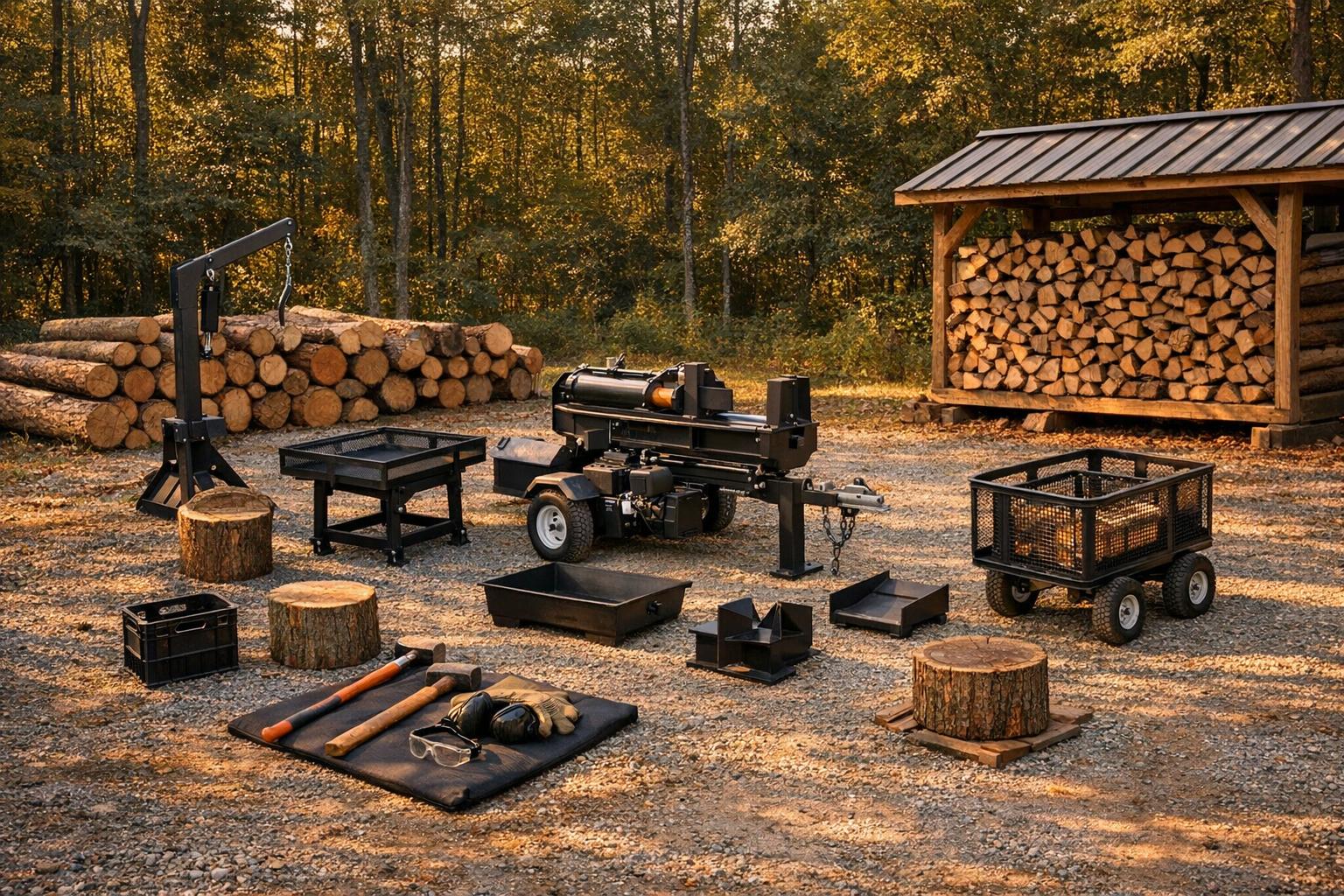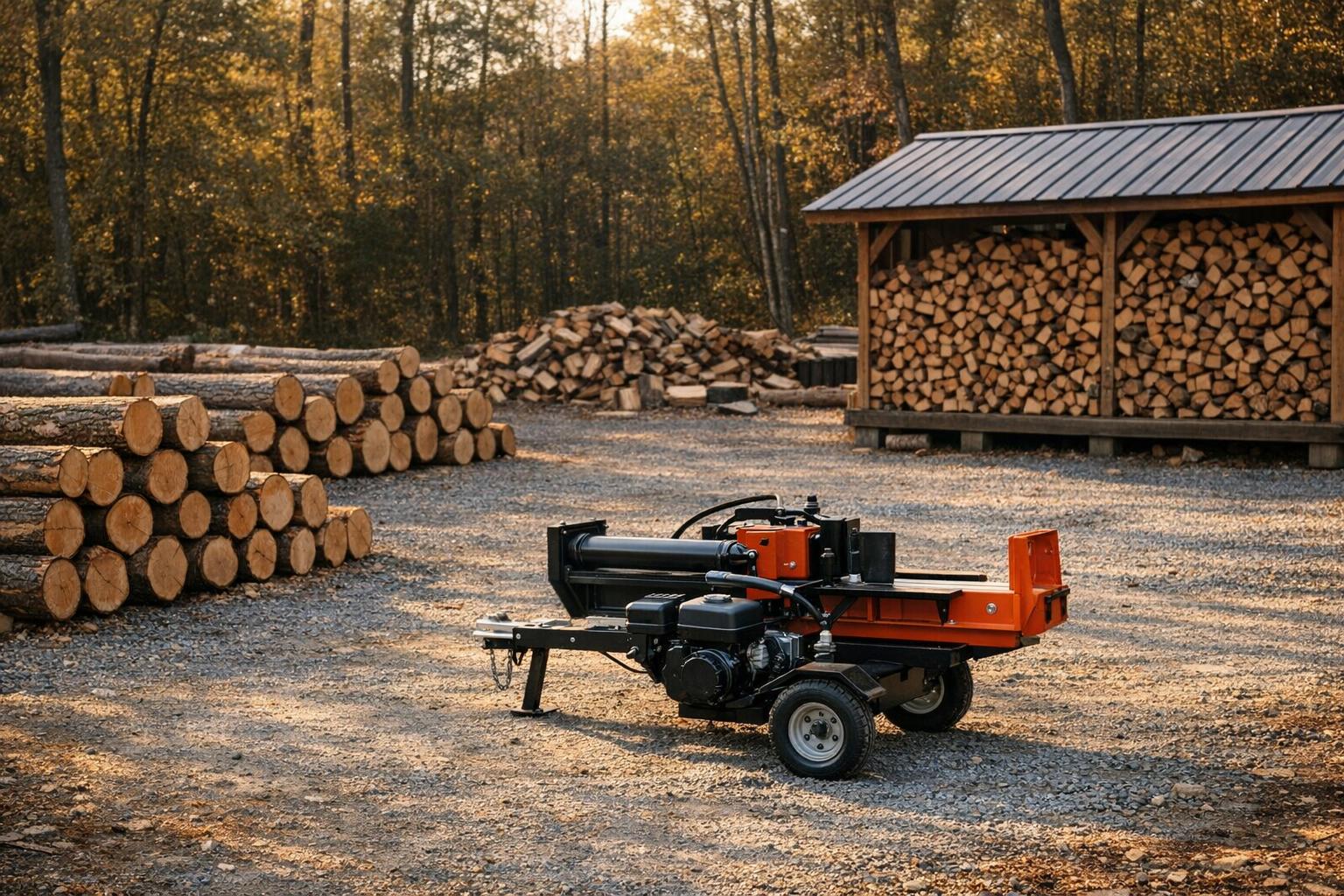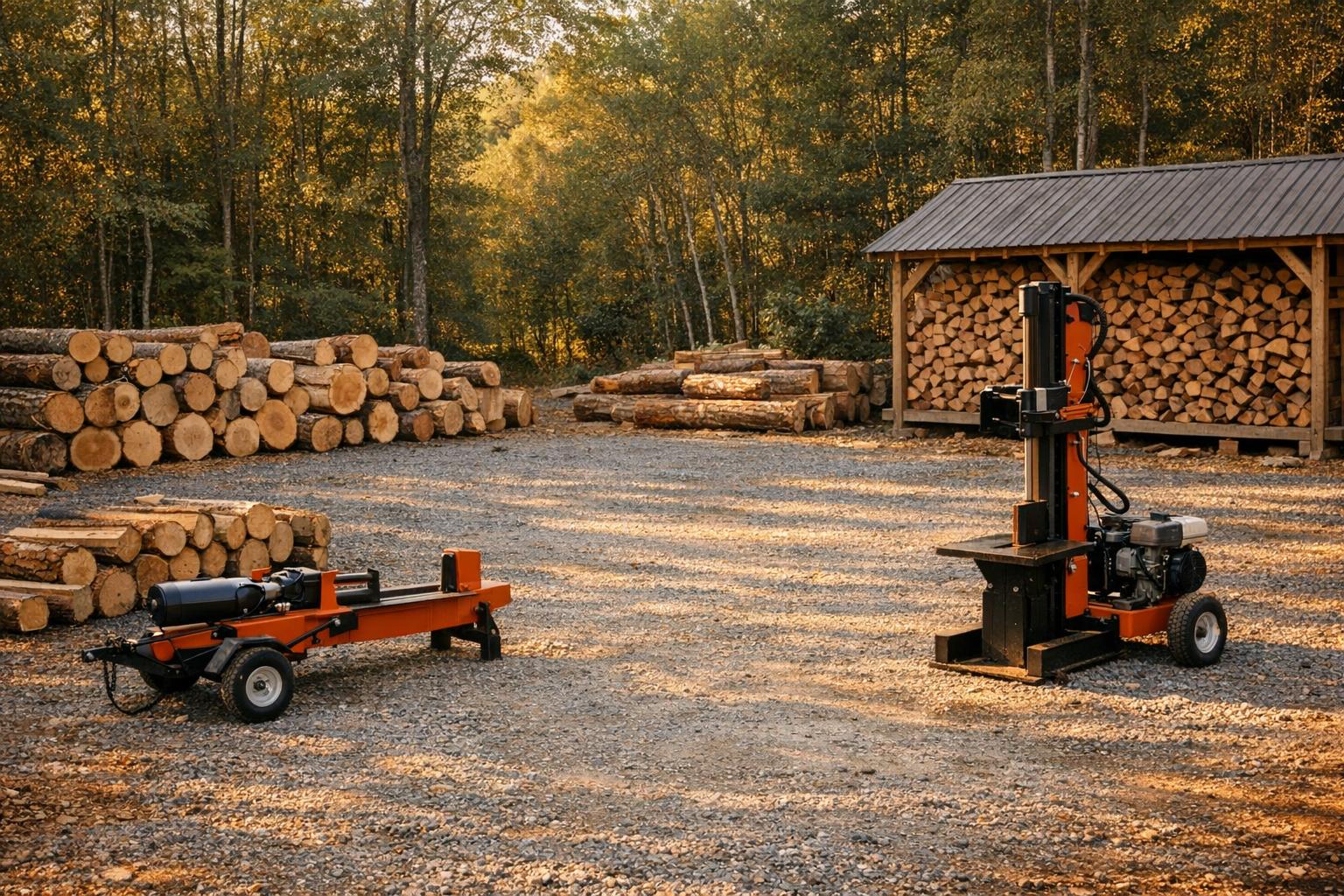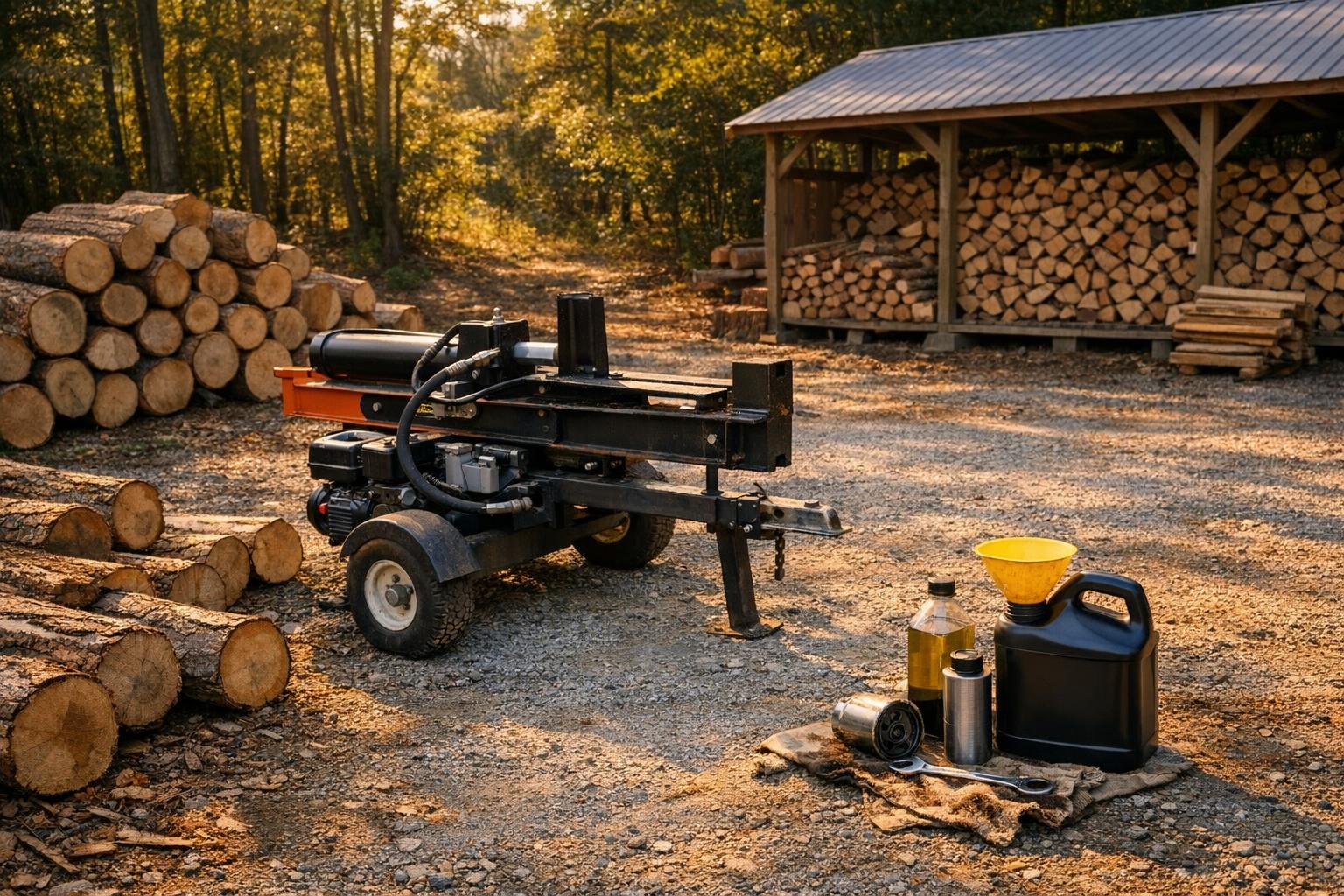
Use this guide to organize a model-specific buying decision. Our research uses published equipment information, not physical testing.
Start with the service schedule, not a universal interval
Maintenance advice is useful only when it matches the exact machine and its manual. Gas hydraulic, electric hydraulic and kinetic splitters have different equipment, and even machines within one category can specify different fluids, inspections and service intervals. Do not copy a schedule from another model because the tonnage numbers look similar. Obtain the manual and identify the maintenance section before buying. The BILT HARD forty-ton source below describes a gas hydraulic machine, which establishes a drive category but not a universal oil specification. Its current manufacturer documentation should answer the service questions for that model. A listing's phrase low maintenance is not a replacement for a schedule. If a required fluid type, amount or interval cannot be confirmed, leave the value blank in your notes and ask the manufacturer. An unknown specification is safer to recognize than a plausible number borrowed from an unrelated product.
For the next decision, read our Log Splitter Accessories: Compatibility Before Convenience.

Separate the engine system from the hydraulic system
A gas hydraulic splitter can have an engine lubrication requirement and a separate hydraulic-fluid requirement. Those are different systems, and a generic reference to oil does not tell you which one a seller means. Read the manual's exact terminology and keep separate records where it distinguishes them. An electric hydraulic machine does not have a combustion engine merely because its motor rating uses horsepower. That classification error can send an owner toward entirely irrelevant maintenance instructions. Our catalog extraction therefore distinguishes motor language from fuel-driven engine language. This article does not provide fluid-change or hydraulic-disassembly steps. Hydraulic equipment can retain hazards that are not obvious from a stopped motor, so inspection and service must follow the manufacturer's shutdown and service procedures. Use qualified personnel for work outside the operator tasks the manual explicitly permits. Never treat a comparison site's documentation score as evidence that a machine is simple to repair.
For the next decision, read our Choosing a Log Splitter: Start With Your Wood.
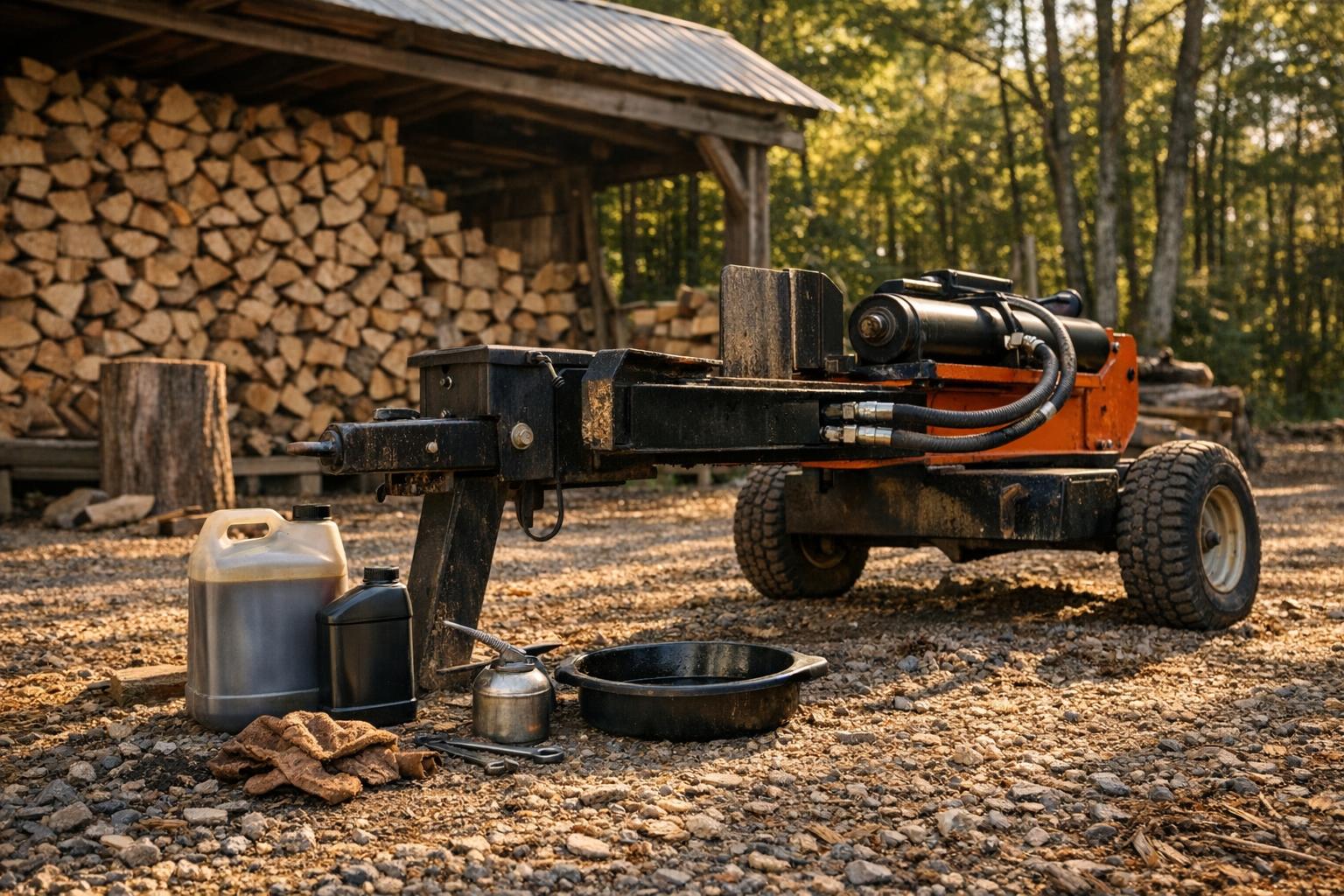
Build a record that preserves exact details
A useful maintenance record begins with the full model identifier, serial information kept privately, manual version and purchase details. Add dates and the actual work performed, together with the exact approved consumable or replacement-part reference. This makes later questions easier to answer without relying on memory. Keep receipts and manufacturer responses associated with the model rather than collecting generic screenshots in one folder. When a seller changes listing wording, your retained manual and purchase record help distinguish your configuration from a newer one. Watch for accessory ambiguity as well. Replacement pumps, valves and cylinders may be genuine catalog products, but they are components rather than universal maintenance upgrades. Compatibility includes more than a physical resemblance. Do not select a hydraulic part by tonnage alone or modify a system based on an online title. The correct question is whether the manufacturer approves that exact part for your exact machine and installation.
For the next decision, read our Horizontal vs Vertical Log Splitters: Handling First.
Include storage and return-to-service checks
A storage plan is part of maintenance planning, not just a choice of cover color. Read the manual's instructions for location, preparation and inspection before the next use. A fitted cover may protect surfaces under certain conditions, but it does not establish that outdoor storage is suitable or replace required upkeep. Check cover compatibility against assembled dimensions and the manufacturer's guidance. Before returning a stored machine to service, follow the prescribed inspection sequence and resolve damage or uncertainty through the proper service channel. Do not use a quick online checklist to waive a manual requirement. If the machine is being sold secondhand, ask for its documentation and maintenance history, but recognize that a seller's statement is not a professional inspection. Our catalog and comparison pages concern documented listings, not the physical condition of a particular used unit. Keeping those distinctions clear helps you budget for ownership honestly and prevents a low purchase price from hiding unresolved service obligations.
Read the exact source before ordering
The source links below refer to specific equipment or guidance, not to hands-on testing by this site. Match the model and current configuration before using a listed fact. Review counts and averages are captured observations for an exact Amazon identifier; they can change and may reflect a variation family on the merchant page. Prices and stock are displayed only while the collected offer remains within its freshness window. Neither a customer average nor our editorial rating establishes suitability for your own work area. Keep unanswered compatibility, supply, service and delivery questions open until the manufacturer or seller provides a clear, written, model-specific answer. Record the source and its date so that later listing changes do not silently replace the configuration you actually researched.