Use this guide to organize a model-specific buying decision. Our research uses published equipment information, not physical testing.
Begin with a problem the accessory must solve
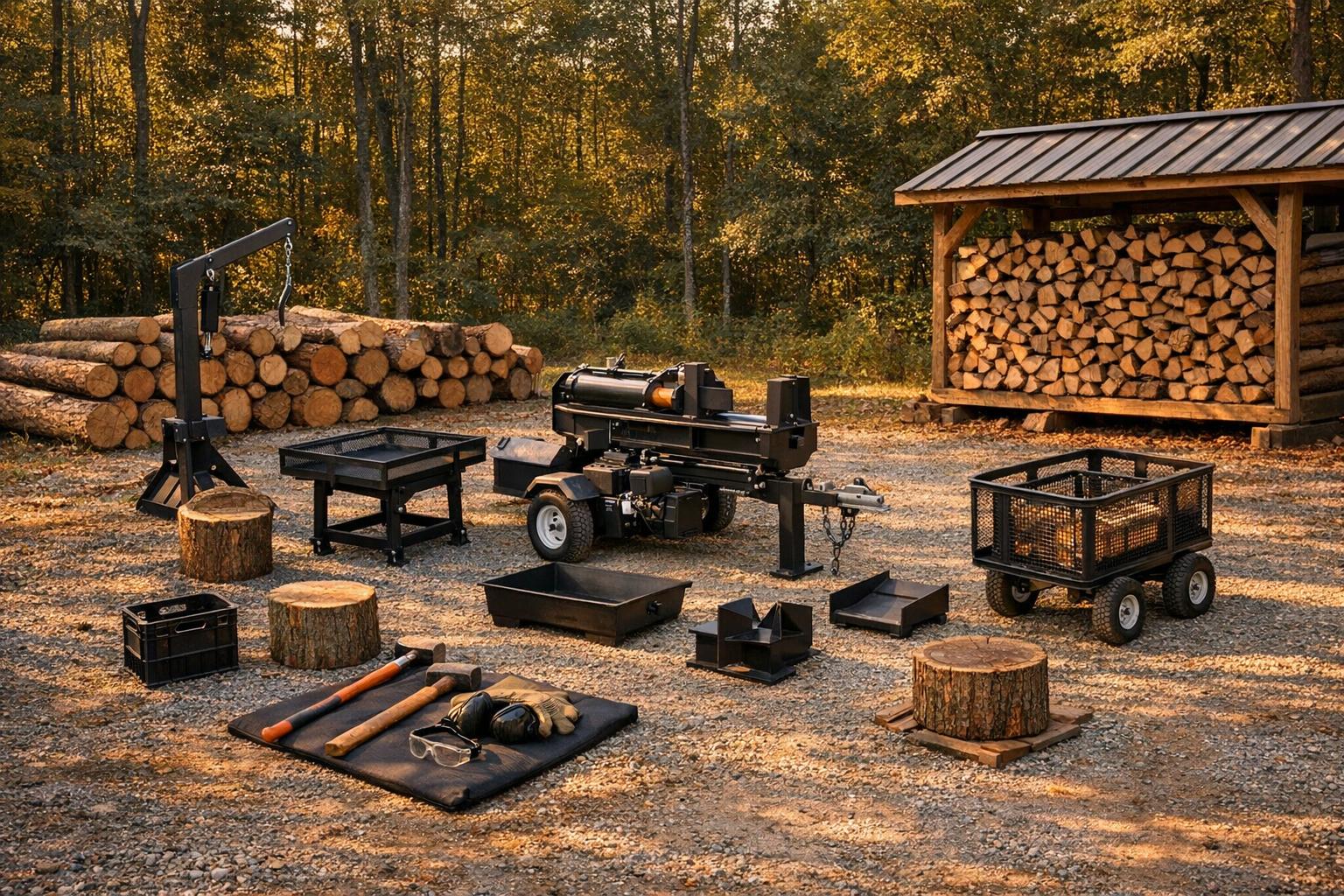
An accessory is worth considering when it addresses a specific documented need, not simply because it appears beside a machine in a shopping carousel. Identify the problem first: storage protection, an approved support arrangement or a required replacement part. Then ask whether the exact model manual recognizes the proposed solution. This keeps useful research separate from collecting vaguely compatible equipment. Covers, stands, tables, wedges and hydraulic components are very different purchases. A cover may require dimensional matching, while a component near the splitting mechanism needs explicit model compatibility and manufacturer approval. A general firewood rack serves a storage role rather than becoming part of the machine. Our catalog groups these items as accessories, but that category is not a blanket recommendation to use them with every splitter. Read the exact listing and the machine documentation together before interpreting a familiar brand name as a fit guarantee.
For the next decision, read our Seasoning Firewood After Splitting: Plan the Storage.
Treat supplied and optional equipment separately
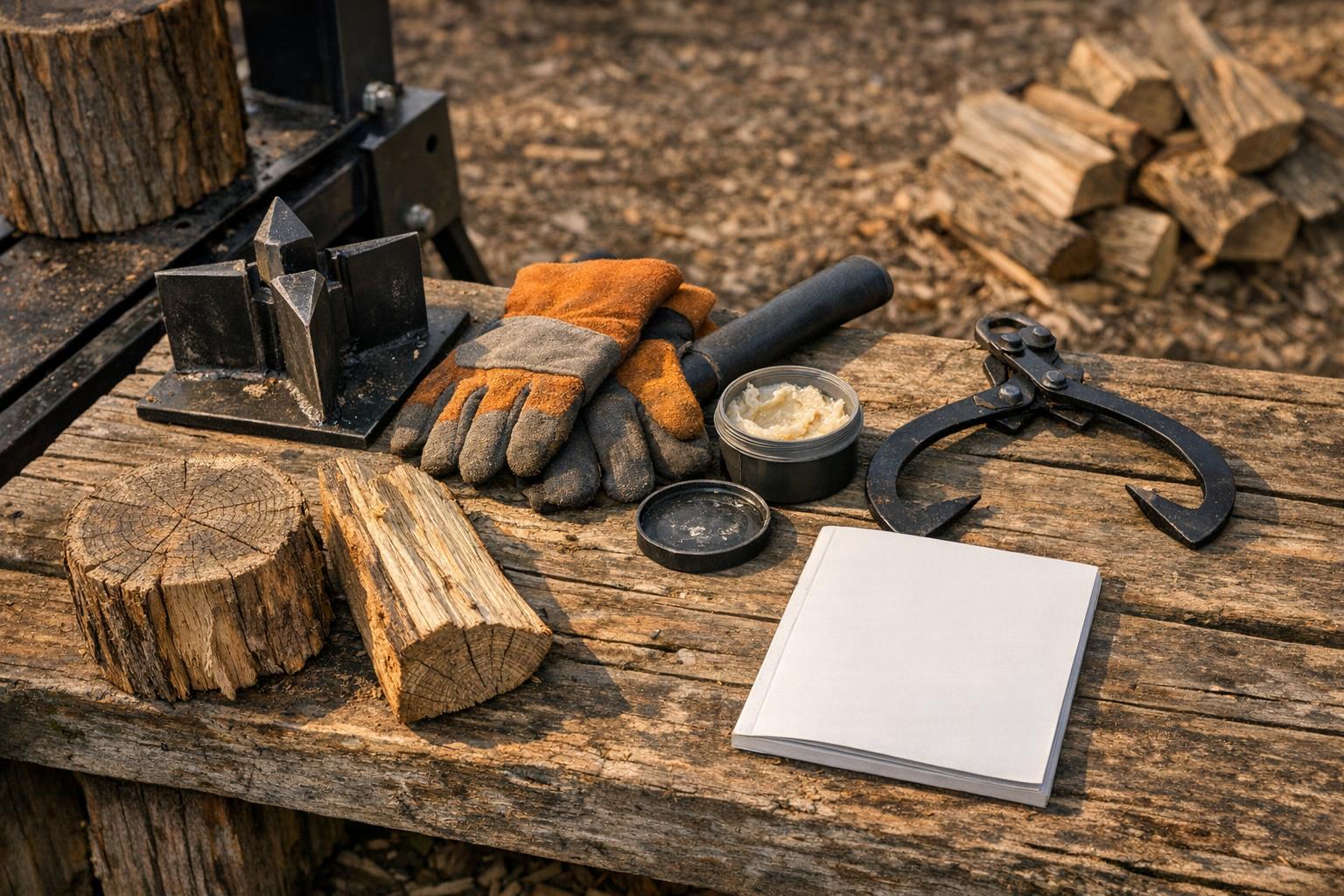
Product photographs often show an attractive complete arrangement. They do not always establish which pieces are included in the current offer. Read the included-items list and ask the seller to clarify optional stands, cradles or tables. Retain the exact accessory identifier if you decide to buy it separately. The twenty-seven-ton BILT HARD listing cited below is an example of a machine source that should anchor compatibility questions, not evidence that an unrelated attachment will fit. Check model-specific dimensions and mounting requirements in approved documentation. If an accessory listing names a range of machines, verify that your exact model is actually included. Similar force ratings do not establish common mounting points, and a shared photograph style does not establish shared manufacturing. Avoid treating a customer comment about a successful modification as approval. Your buying decision should be supported by the manufacturer's intended configuration, not by somebody else's improvised adaptation.
For the next decision, read our Gas vs Electric Log Splitters: The Practical Differences.
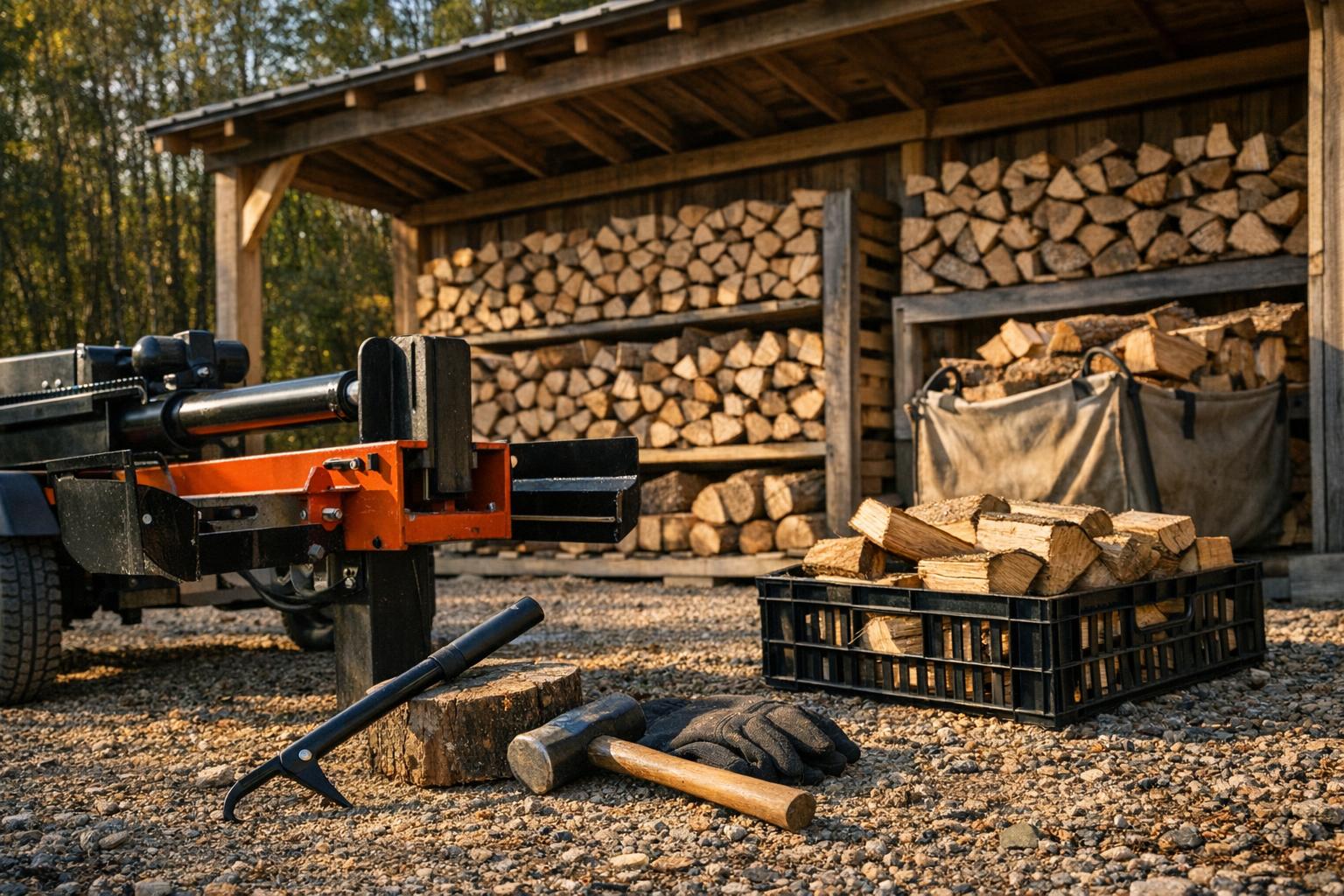
Be especially careful with wedges and hydraulic parts
A different wedge or a replacement hydraulic component may look like a straightforward performance upgrade in a product title. That description does not establish compatibility, safe use or improved results on your machine. Pump, valve and cylinder listings often mention tonnage or log splitters without being complete machines. We keep them out of the ranked machine comparisons for exactly that reason. This guide provides no instructions for changing pressure settings, altering controls or fabricating mounts. Those changes require expertise and manufacturer guidance, and they cannot be justified by an editorial score. Before purchasing a replacement part, obtain the correct part reference and ask whether qualified service is required. If the documentation is missing, postpone the purchase rather than choosing the closest-looking component. The cost of an incompatible part is not only its purchase price; it can also interrupt the work and create uncertainty about the condition or intended operation of the equipment.
For the next decision, read our Towable Log Splitters: Check More Than the Hitch.
Evaluate storage items on their own terms
Covers and wood-storage equipment should be assessed separately from splitting performance. Measure the exact machine in its stored configuration before choosing a cover, and check the manufacturer's storage requirements. A cover does not make every outdoor location suitable. For firewood storage, think about orderly access, the room available and the later route to your appliance rather than treating the splitter's tonnage as relevant. Read the storage guide linked below for the distinction between splitting and seasoning. Finally, make a short accessory list with three columns: purpose, exact compatibility evidence and unresolved question. An item with an unclear purpose can often wait. An item with missing compatibility evidence should wait. This approach avoids spending on attractive add-ons before the basic machine, work area and storage plan are settled. The best accessory collection may be small; what matters is that each item belongs to a documented use and does not depend on an unsupported assumption about fit.
Read the exact source before ordering
The source links below refer to specific equipment or guidance, not to hands-on testing by this site. Match the model and current configuration before using a listed fact. Review counts and averages are captured observations for an exact Amazon identifier; they can change and may reflect a variation family on the merchant page. Prices and stock are displayed only while the collected offer remains within its freshness window. Neither a customer average nor our editorial rating establishes suitability for your own work area. Keep unanswered compatibility, supply, service and delivery questions open until the manufacturer or seller provides a clear, written, model-specific answer. Record the source and its date so that later listing changes do not silently replace the configuration you actually researched.